


When are you entitled to leave for relocation?
Moving can be an exciting and stressful time, especially if you combine it with your work commitments. Fortunately, there is such a thing as moving leave, which can give you some breathing room during this hectic period (in addition, of course, it helps to hire a moving company ). Wondering when you are entitled to this special leave? Read on quickly for all the information and guidelines!
What is leave for relocation?
Relocation leave is a special type of leave that allows employees to take time off from work in connection with a planned move. This type of leave is designed to support employees in organizing and executing their relocation plans so that they can better focus on this important event in their lives.
Requesting leave for a move can vary depending on company policy and applicable laws. In some cases, this type of leave may be considered paid or unpaid, depending on various factors such as years of service and collective bargaining agreements.
Employees entitled to leave to relocate should request it from their employer in a timely manner. It is essential to have clear communication about the date, duration and reason for the requested leave so that employers have sufficient time to take it into account in planning.
In short, if you have plans to move, applying specifically for “leave to relocate” can help you reduce stress and make everything go more smoothly.
Relocation leave rules and guidelines
When you’re moving, it’s helpful to know what the rules and guidelines are regarding leave for this. In the Netherlands, employees are entitled to leave for a move, but this is not laid down by law. It depends on the agreements in your collective bargaining agreement or employment contract.
Most employers will be understanding if you indicate that you need leave for a move. Still, it is important to request it early and make clear arrangements about exactly how many days you think you will need. Make sure you communicate well with your employer about the schedule of the move and which days you will be absent. Transparency and openness can prevent many misunderstandings.
Your employer may also have specific rules around leave for a move. Therefore, always check the internal guidelines or discuss this with HR to avoid surprises.
If you want to learn more about the rules and guidelines surrounding leave, take a look at the central government for more information.
Right to leave in different types of employment
When taking leave for relocation, it is important to understand what rights you have, depending on your employment status. Whether you have a permanent contract, are temporarily employed or work as a self-employed worker, your situation determines how many days of leave you can take.
Permanent employees typically have more flexibility in terms of taking leave for relocation. Employers are often willing to accommodate this and may offer more favorable arrangements compared to other types of employment.
For temporary employees, entitlement to leave for relocation may vary. It is essential to consult the agreements in your employment contract or collective bargaining agreement to know what you are entitled to.
As an independent professional, you are usually free to arrange your own schedule and work. This means that requesting leave for a move must often be done in consultation with your clients.
Regardless of your type of employment, transparent communication with your employer or client is crucial when requesting leave for an upcoming move.
Employer’s obligations when requesting leave to relocate
It is important to know what obligations an employer has when an employee requests leave to relocate. First, the employer should be informed of the employee’s relocation plans, preferably well in advance. This way, consideration can be given to possible replacement or adjustment of the work schedule.
In addition, the employer should look carefully at the type of employment and collective bargaining rules to determine which regulations apply to relocation leave. It is essential that the employer communicate transparently about the process and request any required documentation in a timely manner.
Good cooperation between employer and employee during this period is crucial. Flexibility and understanding can help the moving process run smoothly without too much disruption in the workplace. Keeping to agreements and deadlines that have been made contributes to a positive relationship between both parties.
How many days of leave are you entitled to?
When it comes to leave for relocation, it is important to know how many days you can take for this purpose. The amount of leave days to which you are entitled can vary depending on various factors such as the collective bargaining agreement under which you are covered and your individual conditions of employment.
Generally, for full-time employment, a certain number of days are set by law for leave when moving. In the case of part-time employment, these days are often prorated. So it is advisable to review your specific situation and seek advice from HR or legal experts if necessary.
It is essential to be aware of your rights regarding leave for relocation and ensure that you request it correctly from your employer. Be sure to inform of your plans in a timely manner to allow sufficient time for any approval and scheduling of tasks within the company.
Be transparent about the reasons behind your request for leave and communicate clearly with your employer about the expected length of absence. By communicating openly, misunderstandings can be avoided and there may be room for flexibility in granting additional days beyond the standard arrangement.
Moving with Oomen Movers!
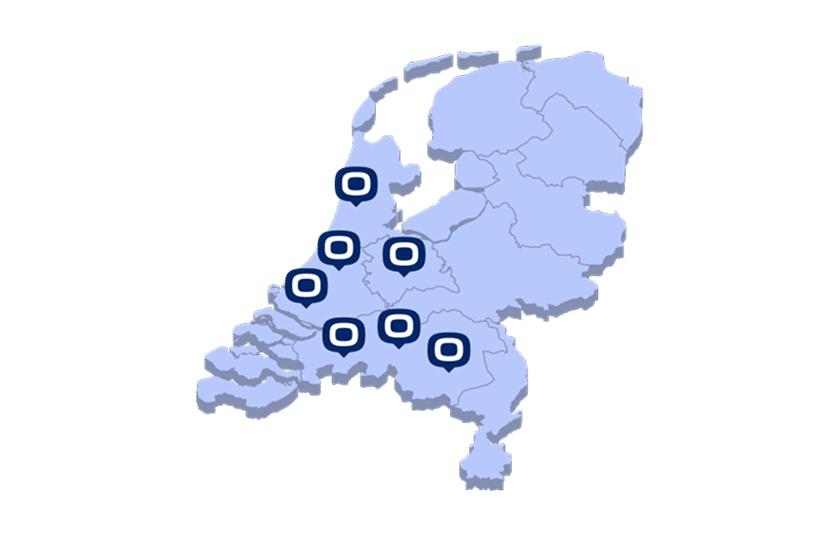
Oomen Movers is the moving company for Katwijk. But also in other cities and towns in the Netherlands we are very happy to help you move. With the expertise of our movers, you will have less to worry about when moving your belongings. So contact Oomen Movers (or request a quote), also if you want to use our other moving services: