

Summary: Thorough preparation, clear communication with employees, and ensuring that work processes run smoothly are essential for a seamless business relocation. By breaking the process down into manageable steps, such as planning, inventory, logistics, and follow-up, you can stay in control and prevent unnecessary disruptions.
A business relocation is rarely just a logistical task. It’s a process that affects employees, work processes, and the day-to-day operations of your organization. Whether you’re growing, downsizing, or temporarily relocating, a business move requires a clear overview and thorough preparation. In this practical guide, you’ll find a checklist of key considerations to help you stay on top of things, without it feeling like a rigid checklist.
Step 1: Determine the purpose and reason for the move
Every business relocation starts with a reason. Perhaps the team is growing, the way of working is changing, or the current location is no longer suitable. By clearly defining why you’re moving and whether it’s a temporary or permanent move, you’ll establish a clear direction. This helps you make decisions about planning, layout, and any interim solutions.
Step 2: Map out work processes and business continuity
Not all operations can simply come to a halt. Therefore, identify which processes must continue uninterrupted and which can be temporarily put on hold. Consider customer contact, IT systems, and ongoing projects. By setting priorities, you can prevent the move from having an unnecessarily large impact on day-to-day operations.
Step 3: Create a realistic schedule
A business relocation often takes more time than initially anticipated. This applies not only to the moving day itself, but especially to the preparation leading up to it. Distinguish between the preparation phase, the execution, and the follow-up. By dividing up tasks and responsibilities, the process remains manageable and organized.
Step 4: Communicate clearly with employees
A clear announcement about your company’s relocation is essential. Employees want to know what’s going to happen, when, and what’s expected of them. By communicating openly and in a timely manner, you foster engagement and peace of mind. This prevents confusion and ensures that everyone knows where they stand.
Step 5: Take inventory of equipment, archives, and IT
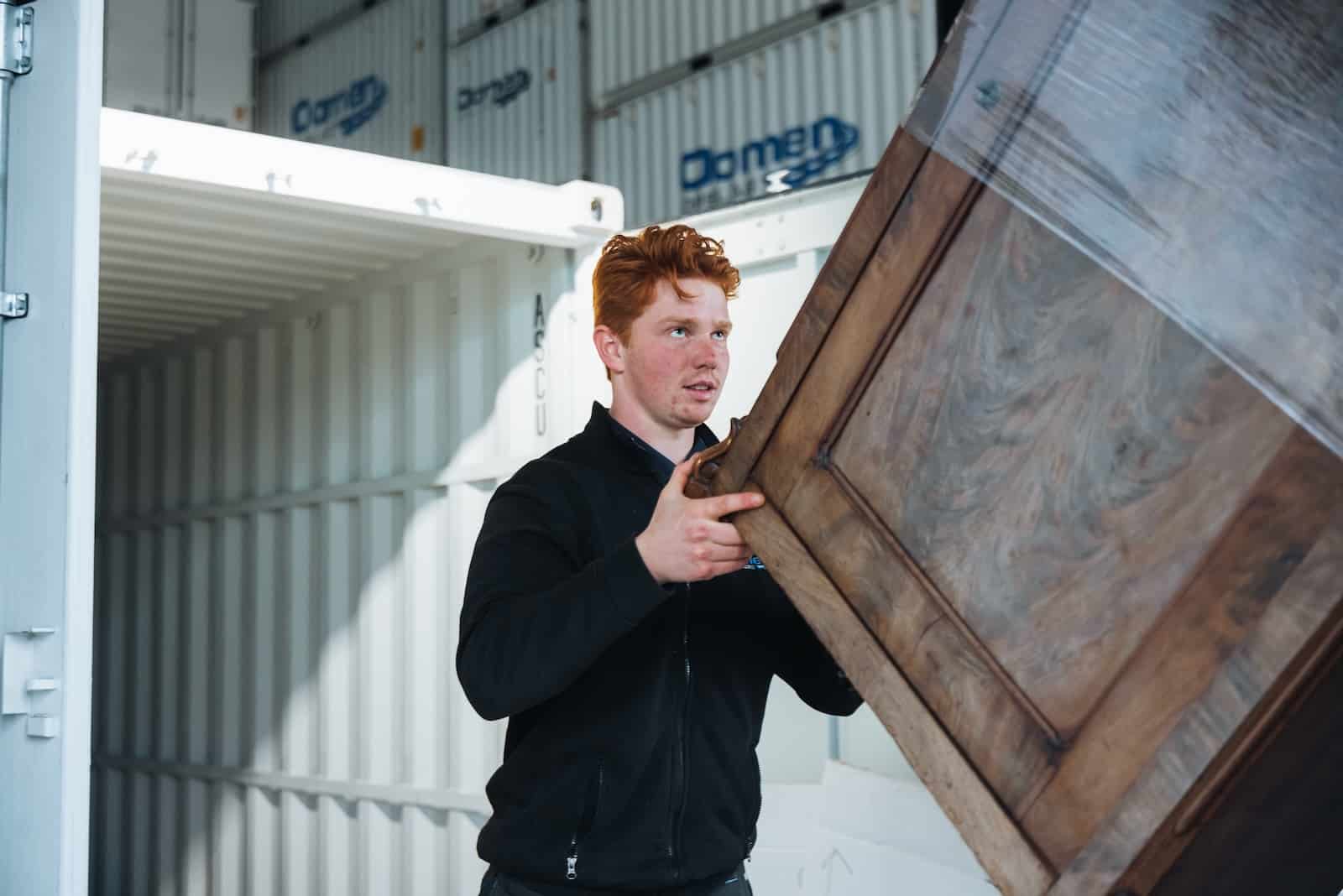
Systematically go through all workstations, equipment, and archives. What will be moved to the new location, what will be left behind, and what is temporarily unnecessary? This is also the time to take a critical look at items that are no longer serving a purpose. A thorough inventory helps prevent surprises during the move.
Step 6: Determine whether temporary storage is needed
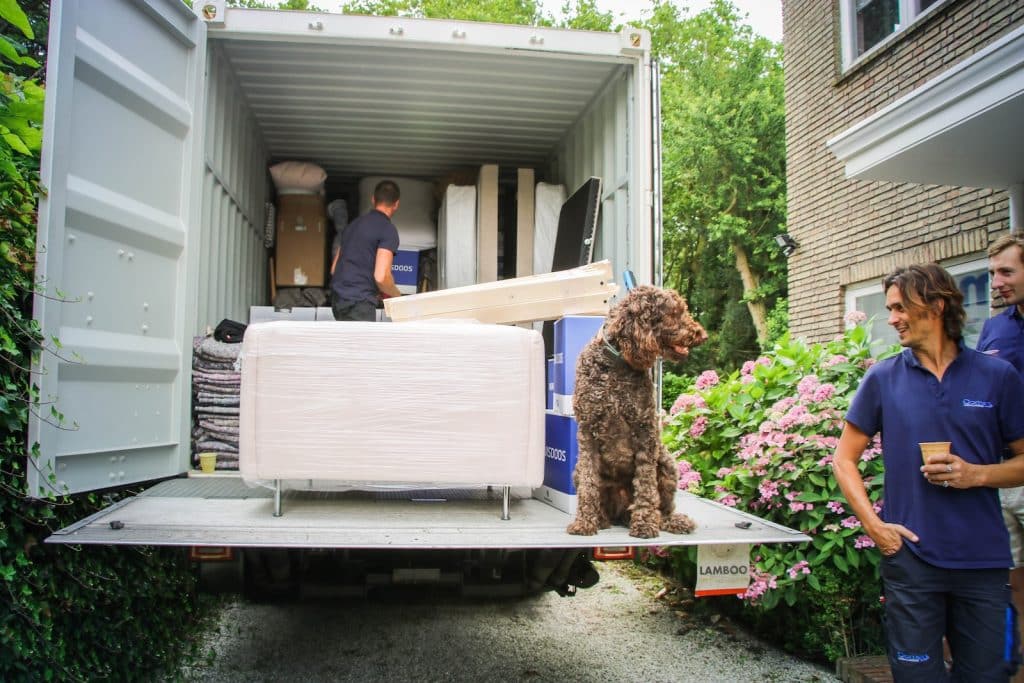
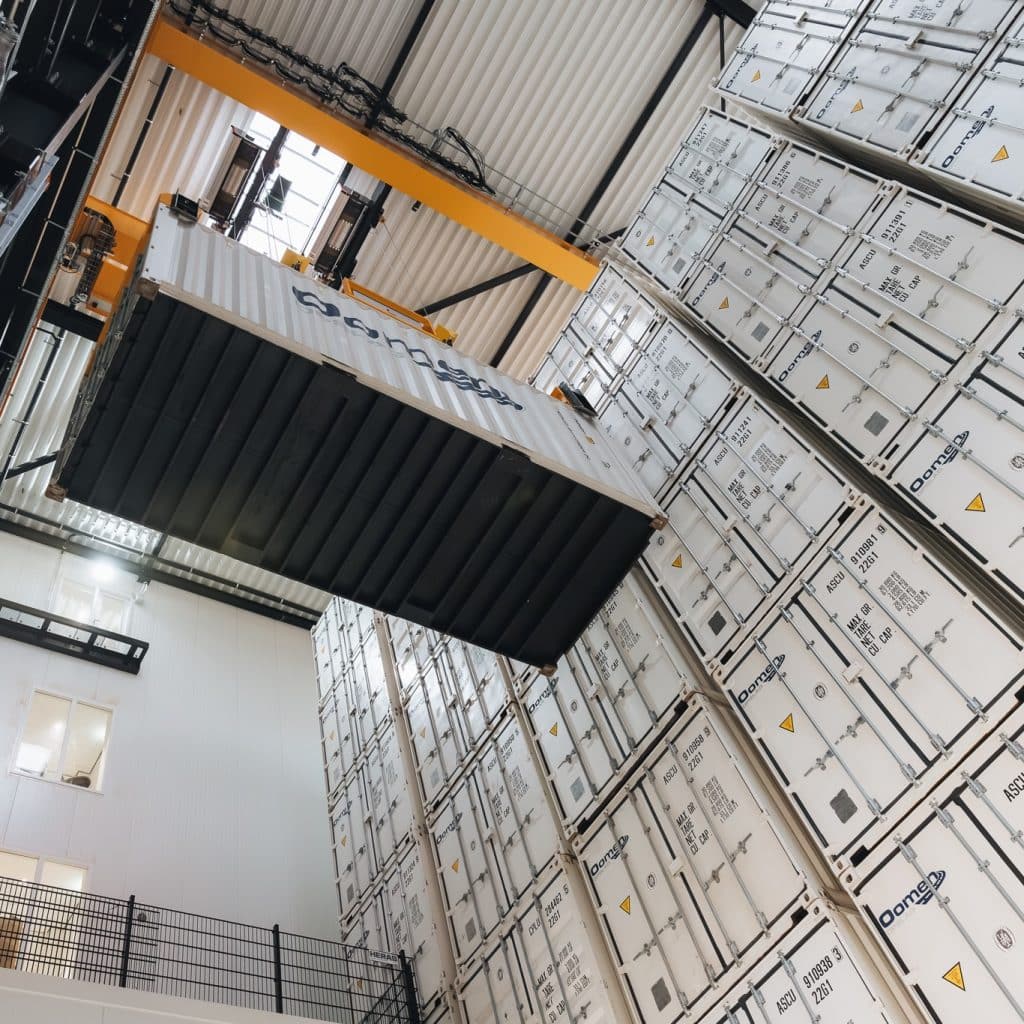
In many business relocations, not everything is needed at the new location all at once. In such cases, storage can be a practical interim solution. By temporarily storing furniture, archives, or equipment, you create space to work in phases and keep the new location organized while it is being set up.
Step 7: Moving with Storage for Phased Projects
When old and new locations overlap or the schedule is complex, moving with storage can provide extra peace of mind. Your belongings are stored safely until they’re actually needed. This prevents the need to move them multiple times and helps spread out the moving process more evenly.
Step 8: Make Sure Logistics and Resources Are Properly Organized
The accessibility of both buildings plays a major role in the move. Consider factors such as stairs, elevators, and loading facilities. In some situations, renting a moving lift is necessary to work efficiently and safely. By arranging this in advance, you can prevent delays on moving day.
Step 9: Carrying Out the Business Relocation
On the day of the event, it’s all about keeping track of things. Make sure it’s clear who the point of contact is and who is responsible for which tasks. Thorough preparation pays off here. When everyone knows what needs to be done, the execution goes more smoothly and is more predictable.
Step 10: Follow-up and Conclusion
After the move, it’s important to take the time to wrap things up. Check that everything is in the right place and that systems are working properly. By giving employees the space to settle into the new location, they’ll get back into their work routine more quickly.
Staying in Control of Your Business Relocation
A business relocation doesn’t have to be a source of stress. By breaking the process down into clear steps and planning ahead for communication, scheduling, and support, you can keep it manageable. Oomen supports companies during their relocation by working with you at every stage, so you can stay focused on day-to-day operations.