

“But there is one reason to do it: long-term survival.”
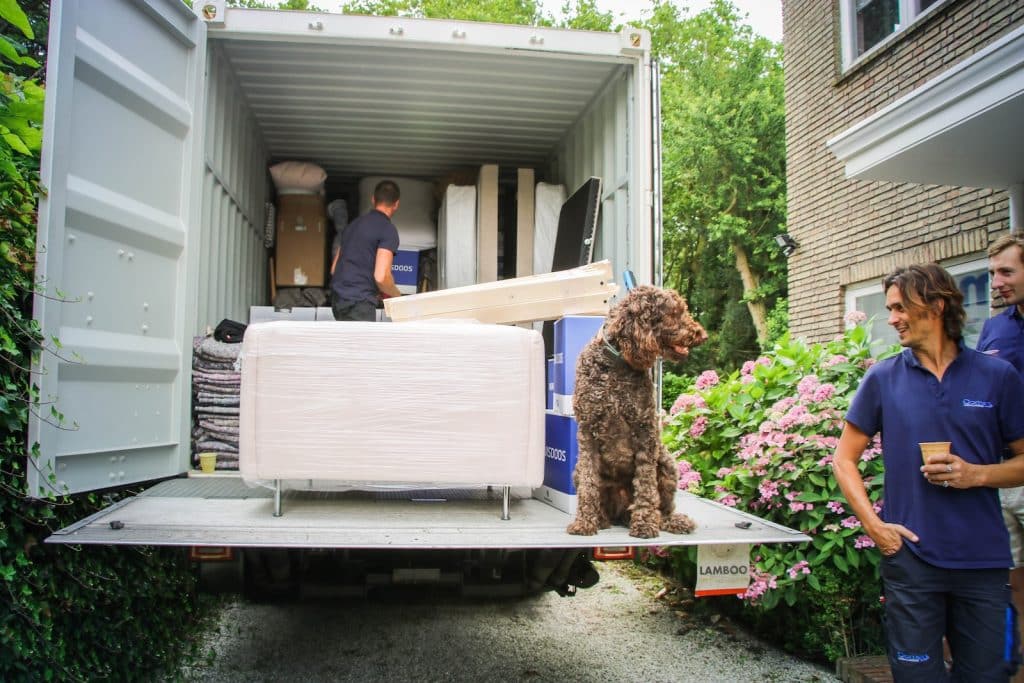
For moving companies, the Dutch and EU 2050 energy policy means, among other things, electrification of the vehicle fleet. The availability of the required power is one of the bottlenecks on the road to this. If the public grid offers no solace, perhaps you can still generate your own power, as Oomen Movers does. Hooks and eyes enough, “but there is one reason to do it: long-term survival.”
.
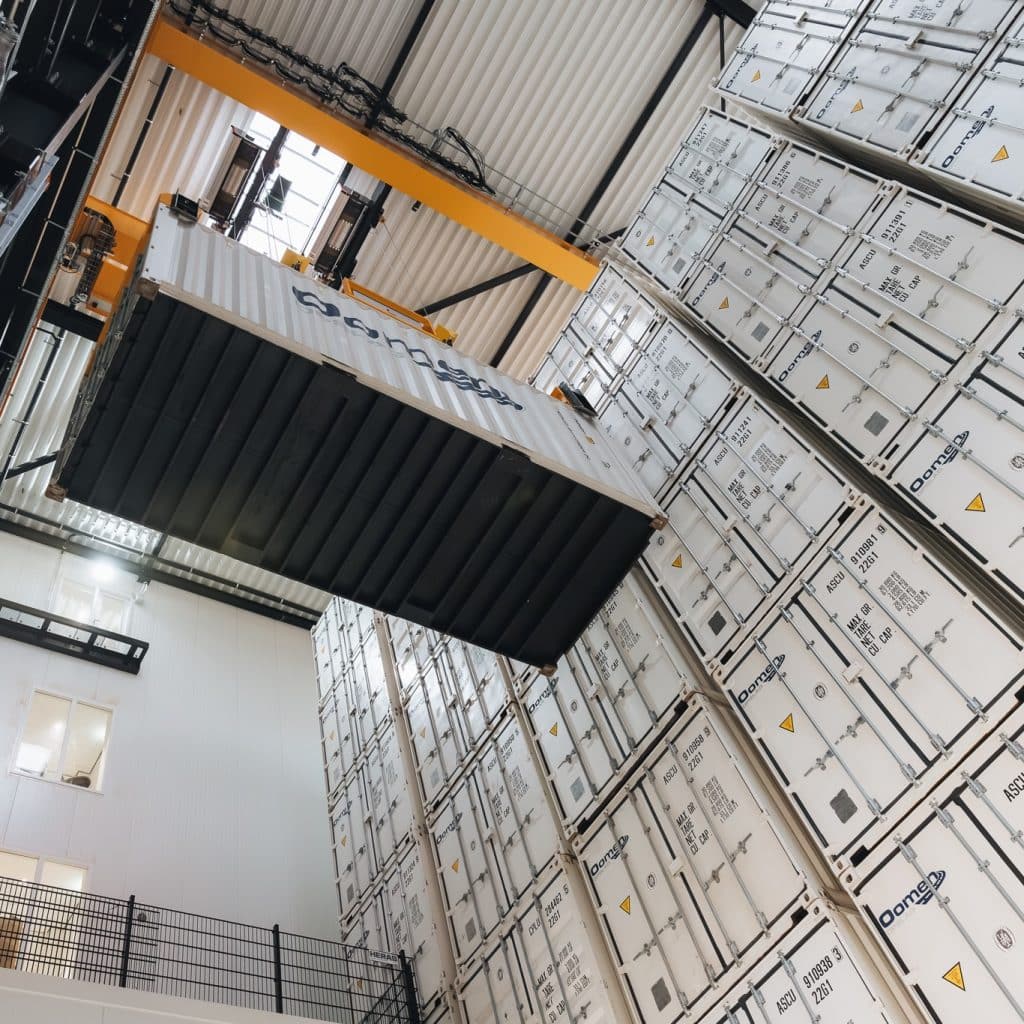
De omslag naar een duurzame maatschappij gaan we allemaal merken. Daarom heeft onlangs een OEV-werkgroep de koppen bij elkaar gestoken om te kijken wat de mogelijkheden zijn. Fossiele energie zal naar verwachting duurder worden de komende jaren, net als schone energie, maar die laatste zal snel daarna relatief goedkoper worden. Eerst moet de energieomslag gefinancierd worden. Subsidies zijn nu nog schaars en ingewikkeld. Netcongestie is een ander obstakel. Tenzij je een workaround verzint. Middels een eigen energievoorziening. Dit deed onder meer Oomen verhuizers in opslagruimte Katwijk (ZH).
.
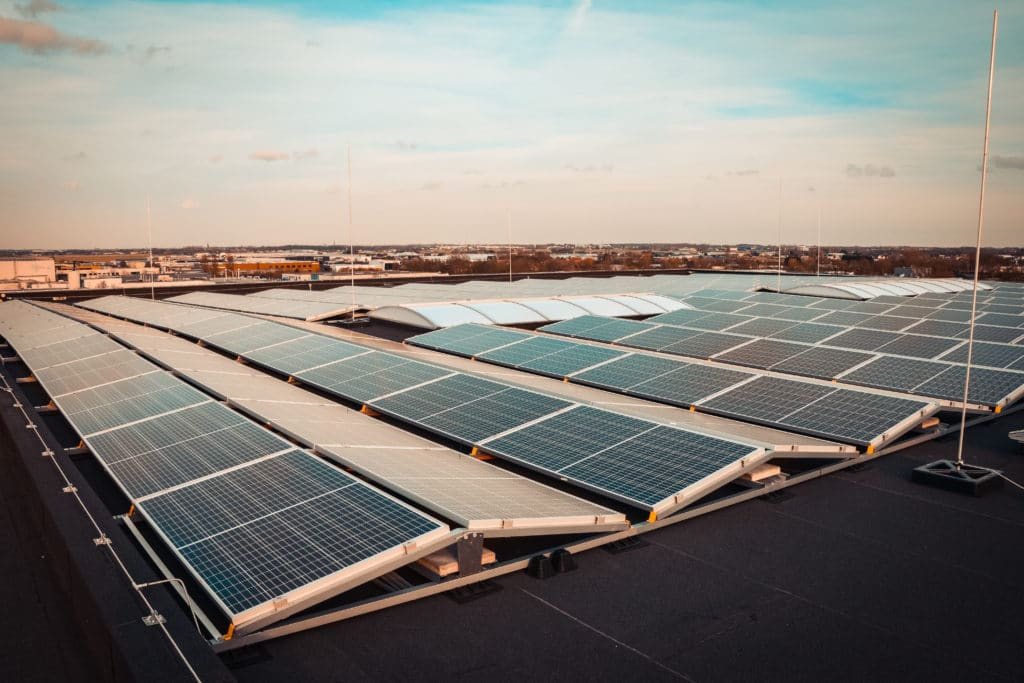
You have in your company such a private energy supply. What are your experiences? “PV panels in combination with batteries work well in some situations, because you can solve the power problem locally within your own company, street or neighborhood. You charge batteries with solar power and the full battery switches on when you need more power at peak times than you can draw from the grid (peak-shaving). As a result, if you use a lot of power, a smaller grid connection will still suffice. The advantage is that this connection must legally be made within six months. This avoids waiting times (grid congestion). A small grid connection also saves the costs of a transformer house (medium-voltage substation), has lower standing charges, and you can also balance your bills.”
.
How did you guys handle it?
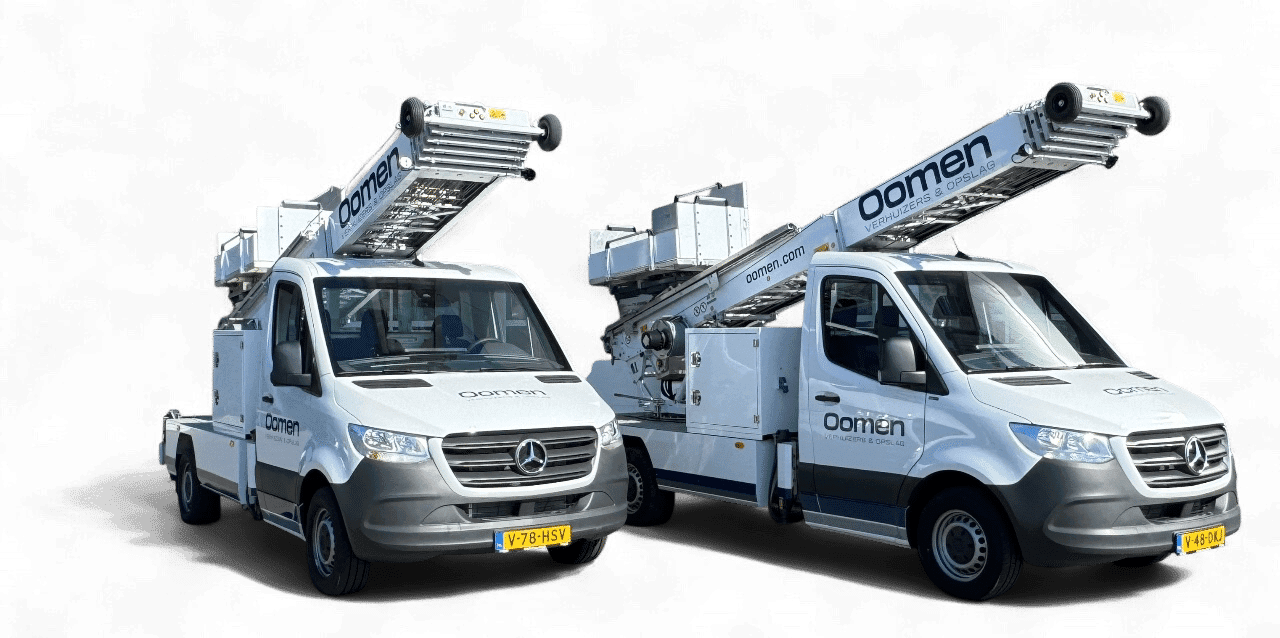
“Wij hadden voor ons bedrijf in theorie een middenspanningsstation nodig en door het volle stroomnet een wachttijd van 24 maanden. We hebben toen gekozen voor een kleinverbruikersaansluiting (3x80A) en hebben de uitgespaarde kosten in batterijen voor de peak-shaving geïnvesteerd. In 2022 reden we met 7 elektrische voertuigen, ons stroomverbruik was 135 mWh (135.000 kWh). De eigen stroomopwekking was echter méér, namelijk 162 mWh. De batterijen waren goed voor 23 mWh opslag en 20 mWh ontlading. De net-afname van 54mWh en de teruglevering 78mWh. Per saldo hebben wij op jaarbasis dus stroom aan het net geleverd. Zonder netaansluiting kun je niet, want in de winter is er te weinig zon om helemaal op zonnestroom te draaien. Wij zijn blij dat wij bij de nieuwbouw direct de afslag hebben genomen naar elektrificatie.”
.
Where is the tipping point where electric driving becomes financially advantageous?
“That is difficult to calculate precisely because the variables are constantly changing. What is certain is that these prices will only increase. If you assume that and calculate all the costs (TCO) of the whole installation and cars, fuel, tax, then you know that in the long run you come out positive with electrification. We have a 30-year ‘ex-factory’ yield guarantee on the PV panels and batteries. This means you can easily calculate the total cost of the installation plus the financing costs. If you spread that out over 30 years and conservatively estimate the annual power consumption to be double that of 2022, then a kWh costs less than 5 cents. And that’s fixed for 30 years. The estimate of doubling power consumption is based on the projected growth in the number of electric trucks.”
.
How do you get the combination of solar panels and batteries to work financially?
“The important thing is to have an ultra-long-term vision and a commitment to sustainability, without necessarily making it financially profitable. After all, starting up a circular society costs money first. The investment can only be recouped in the very long term. With the explosive rise in diesel and electricity prices in recent years, the switch to self-generation unexpectedly pays for itself much faster. In addition, you need to secure financing. My tip: save for equity, because without equity financing is virtually impossible. Furthermore, it only works financially if you own both the building, and the power connection, and the PV panels, batteries, charging stations, and installations. If you lack one of these things, it won’t work.”
.
Suppose you are operating from a rental property? “In a rented building, the landlord is not likely to invest €100k in renewing the electrical system. Renting solar panels doesn’t kick in, in which case the landlord takes a share of the proceeds. If you are located in a rented building, total electrification is virtually out of the question. The building has to be completely turned upside down: is the roof suitable for PV panels, the whole electrical installation has to be redone, the insurance company is being difficult anyway.”
.
What else should you pay attention to? “On the grid connection: preferably a small consumer connection. Then you can balance your energy bill and you don’t have to pay for feed-in at peak hours, which is sometimes the case with larger connections. Finally, study your energy contract carefully: if you know that on balance you will have electricity left over each year, don’t choose a cheap supplier (because after all, you are taking zero kWh of electricity per year), but one that pays a lot for returned power.”
.
Are there any alternatives to the solar panels & batteries combo?
“Then you move towards clean biofuels, hydrogen, wind energy, but above all, balancing; as long as that regulation still exists. With net-metering, you actually use the power grid as a big battery: whatever power you have ‘left over’, you put into the grid, and when the sun isn’t shining, you pull out of the grid. The big advantage of net metering is that you also save the energy tax. Wind power only makes sense with very large wind turbines; small wind turbines are not very profitable. Hydrogen is promising but the views on it for use in transport are mixed. Of course it depends on the length of the trips you make and how the hydrogen is extracted: from green or gray electricity.”
.
How do you look at the next 2-5 years?
“It’s not going to be an easy time. The energy/climate/sustainability transition is going to be incredibly costly and everyone is going to notice. My advice is: get in as soon as possible, the turnaround is going to happen eventually: the shore turns the ship. Entrepreneurs who don’t make the turnaround are not going to make it in the long run. This sounds harsh, but if you ask my view, this is my answer. There are always reasons not to do it: declining market, corona, high interest rates. But there is one reason to do it: long-term survival.”
.
Dit artikel verscheen in aangepaste vorm in het vakblad Verhuizen 2023 – 4.