


Summary: Moving internationally is a complex process that involves more than just transporting your belongings. It includes preparation, documentation, customs and visa regulations, financial planning, and dealing with cultural differences and language barriers. By planning ahead, staying well-informed, and having realistic expectations, many challenges can be minimized. An experienced moving partner can provide support and ensure clarity and structure, making the transition to a new country smoother and more manageable.
The Challenges of Moving Abroad and How to Tackle Them
Moving to another country brings excitement and new adventures, but it’s also a process full of challenges. From preparation to dealing with cultural differences, moving abroad requires careful planning and adaptability. In this blog, we’ll discuss the various aspects of moving abroad and how you can successfully overcome these challenges. Read on for valuable insights and practical tips!
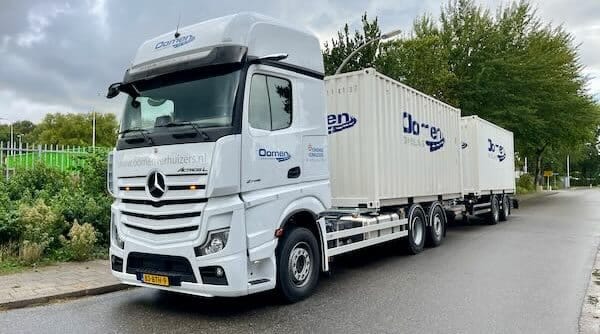
What is an international move?
Moving internationally is more than just packing boxes and shipping furniture to another country. It is a complex process that requires careful planning, organization, and adaptability. There are various aspects to consider when moving internationally, such as visa requirements, customs regulations, and cultural adjustments.
It all starts with preparation. From arranging the right documents to selecting a reliable moving partner, every detail must be considered to ensure a smooth transition. During the international moving process, unexpected challenges may arise that require flexibility and creativity to resolve.
Cultural differences and language barriers also play an important role in international relocation. It is essential to be open to new traditions, customs, and ways of communicating in your new home country. Financial considerations are also crucial, as costs for visas, taxes, and living expenses can vary depending on the country you’re moving to.
In short, moving abroad is an exciting adventure full of challenges that will broaden your horizons and enrich your life with new experiences and opportunities.
Preparing for an International Move
Moving abroad requires a lot of preparation. It’s essential to start planning and organizing well in advance. Make a checklist of all the tasks that need to be completed, such as arranging visas, finding a new home, and selecting an international moving company.
It’s also important to thoroughly take inventory of your personal belongings and decide what you want to bring with you to your new destination. Don’t forget to consider any special requirements for certain items when planning your move.
It’s also a good idea to be familiar with the customs regulations and immigration requirements of the country you’re moving to. Make sure all your documents are up to date so you don’t run into any surprises when you arrive abroad.
By being well-prepared, you can avoid a lot of stress during the international moving process. Take the time to plan everything carefully and leave nothing to chance as you embark on this exciting new phase of your life.
Challenges During the Moving Process
Moving internationally presents a range of challenges that can complicate the moving process. One of the biggest obstacles is often the logistics involved in transporting all your belongings to a new country. Arranging international shipping, customs formalities, and storage can be overwhelming.
In addition, emotional factors also play a role during the moving process. Saying goodbye to your familiar surroundings, friends, and family can be difficult. The stress and uncertainty that come with this major change can take a toll on your mental well-being.
Finding suitable housing in a new country can also be a challenge. Different rules, customs, and market conditions require thorough research and planning to ensure that you can settle in comfortably.
In addition, legal issues such as visas, work permits, and tax matters can be complicated to navigate in another country. It is essential to stay well-informed about laws and regulations to avoid problems when relocating abroad.
How to Deal with Cultural Differences and Language Barriers
Dealing with cultural differences and language barriers can be a challenge when moving abroad. It’s important to be open to new traditions, customs, and ways of communicating in your new country. Try to learn the local language or at least master a few basic phrases; this will help you integrate better into your new environment.
Respect the culture of the country you’re moving to, and be willing to adjust your own behavior if necessary. By being respectful and understanding toward other cultures, you’ll build positive relationships with the local people more quickly.
It may also be helpful to enlist the assistance of professional moving companies that have experience with international moves. They can often help bridge cultural differences and language barriers, making the entire process run more smoothly.
By being open-minded, empathetic, and flexible, you can more easily navigate the challenges associated with cultural differences and language barriers during an international move.
Financial Considerations When Moving Abroad
An international move involves not only emotional and logistical challenges, but also financial considerations that must be carefully weighed. It is essential to draw up a realistic budget that covers all aspects of the move, from transportation and insurance costs to any visa or customs fees.
It may be worthwhile to request quotes from various moving companies and other service providers to find the best value for your money. Also, don’t forget to take into account exchange rates and any potential tax implications of moving to another country.
Some employers offer expats financial support as part of their relocation package, such as housing allowances, educational assistance for children, or language courses. This can significantly help manage the costs of an international move.
By being well-informed about all the financial aspects and options related to your international move, you can reduce stress and anticipate unexpected expenses. Make sure you have a detailed budget before you leave for your new destination.
Tips for a Smooth Transition to a New Country
A smooth transition to a new country starts with openness and flexibility. Be open to new experiences and be willing to adapt to the local culture. Learn about the traditions, customs, and language of the country you’re moving to.
It’s also important to build a network in your new home country. Connect with other expats or locals by joining social groups or clubs. This can help you build friendships and foster a sense of community.
It’s also a good idea to research practical matters such as healthcare, education, and the housing market in your new place of residence beforehand. Make sure you have all the necessary documentation in order before you leave.
Finally, be patient and give yourself time to adjust to the changes that come with moving abroad. It may take a while for everything to fall into place, but with a positive attitude, the transition will go more smoothly.
Move Abroad with Oomen Movers!
Moving abroad can be a challenging experience, but with the right preparation and approach, these obstacles can be overcome. It is essential to be well-informed about the various aspects of moving abroad, such as cultural differences, language barriers, and financial considerations.
Having a reliable partner for your international move is crucial. Oomen Verhuizers offers professional and expert services to assist you every step of the way. With their years of experience and expertise in international moving, you can rest assured that your valuable belongings will be safely transported to their new destination.
Choose Oomen Verhuizers as your partner for international moves to ensure a smooth transition to a new country. Leave the stress behind and enjoy the start of an exciting new chapter in your life!
With Oomen Verhuizers, you can move quickly and reliably to the following countries: