


Summary: Moving a washing machine is heavy, cumbersome, and can quickly cause damage to the appliance or your home. It’s important to disconnect the machine, empty it, use transport bolts, protect it properly, and always transport it upright. Tools such as a hand truck, moving blankets, straps, and having two people lift the machine make the move safer. Challenging situations, such as narrow staircases or temporary storage, can be professionally handled with a moving lift or suitable storage. By hiring a specialized moving company, the move will proceed efficiently, without damage, and stress-free.
A washing machine is heavy, bulky, and prone to damage. In short, it’s not the kind of appliance you can just pick up and take with you when moving. Properly preparing, safely transporting, and reconnecting a washing machine requires care and the right technique. The wrong approach can lead to leaks, malfunctions, or damage to your floor and walls.
Whether you plan to move your washing machine yourself or are considering hiring professionals, it’s important to know what’s involved. In this article, we’ll explain how to move your washing machine safely and provide practical tips to avoid problems during the move.
Moving a Washing Machine Yourself: Should You or Shouldn’t You?
Moving a washing machine may seem simple, but it can be trickier than you think. Washing machines are heavy, often bulky, and contain delicate parts such as the drum and the water system. During lifting, transport, or moving down stairs, parts can be damaged or leaks can occur. In addition, the risk of injury is greater if you try to move a washing machine on your own or without the proper equipment.
Oomen Verhuizers has extensive experience moving major appliances, including washing machines. By hiring professional movers, your washing machine will be moved safely, efficiently, and without damage.
But if you do decide to move your washing machine yourself, be sure to keep a few important things in mind.
Step-by-Step Guide to Moving a Washing Machine Yourself
1. Loading:
-
- Preparation: Disconnect the washing machine from the water supply and the power source. Make sure the drum is empty, and use the transport bolts to lock the drum in place.
- Packaging: Protect the washing machine with bubble wrap or blankets to prevent scratches and damage. Secure all loose parts, such as hoses and cables.
- Loading: Use a furniture dolly or hand truck to carefully move the washing machine to the vehicle. Make sure the machine is securely fastened in the vehicle to prevent it from shifting during transport.
2. Moving:
-
- Safety: Make sure the vehicle is suitable for heavy equipment and drive carefully to minimize jolts.
- Guidance: If possible, ask someone to help you move the washing machine to prevent accidents or damage.
- Route: Plan your route so you don’t encounter any unnecessary obstacles, and avoid rough roads whenever possible.
3. Unloading
-
- Be careful: Carefully remove the washing machine from the vehicle using a furniture dolly or hand truck.
- Installation: Move the washing machine to the desired location and remove the protective materials.
- Installation: Connect the washing machine to the water supply and electrical outlet, remove the shipping bolts, and make sure the machine is level before putting it back into use.
So, a washing machine is often a valuable item, but above all, it’s one of the first appliances you’ll want to use. It would therefore be a shame if your washing machine were to get damaged during the move! We therefore recommend that you don’t do this yourself, but instead hire professional movers. Do you have any questions about how Oomen Movers can help you with this? Feel free to contact us.
Is it okay to transport a washing machine lying on its side?
It is strongly discouraged to transport a washing machine on its side. Washing machines are heavy and contain a drum and pump that can shift or become damaged if transported on their side. This can lead to malfunctions or leaks. Therefore, always move a washing machine in an upright position. If you must temporarily transport the machine lying on its side, for example, when moving it through a narrow doorway, the machine must remain upright for several hours afterward before you plug it in.
What tools are useful when moving a washing machine?
Using the right tools makes moving a washing machine much safer and easier. These include:
Transport bolts
Many washing machines come with special transport bolts to secure the drum during transport. These prevent the drum from moving and getting damaged. Moving a washing machine without transport bolts can cause serious damage to the drum, the mountings, and the pump. As a result, the machine may start to vibrate after the move, cause leaks, or even break down completely.
Hand truck or transport cart
A sturdy tool for safely moving a heavy washing machine. It allows you to keep the machine upright and move it in a controlled manner over short distances, such as from the living room to the moving truck. Always exercise extra caution on stairs or uneven floors, and make sure there are two people present.
Moving blankets or protective film
Essential for preventing scratches, dents, and other damage to the exterior of the washing machine. Wrap the machine completely and make sure the blankets are securely fastened with tape or straps. This also protects the machine from bumping into walls or door frames during transport.
Lashing straps
Use straps to secure the washing machine firmly to the hand truck or in the moving truck. This prevents the machine from shifting while being lifted or transported and significantly reduces the risk of damage.
Two people
Lifting a washing machine with two people helps prevent injuries and makes maneuvering through narrow hallways, up stairs, or through doorways much safer. By working together, you can keep the machine stable and better assess any obstacles.
Bonus tip: Sturdy shoes and gloves: Wear shoes with good traction and sturdy gloves so you can safely lift and move the machine without slipping or getting injured.
Moving a Washing Machine with a Moving Lift
Moving a washing machine can be a challenge, especially in homes with narrow staircases or multiple floors. Lifting a heavy machine increases the risk of damage to both the washing machine and your home, and can also pose a risk to your own safety.
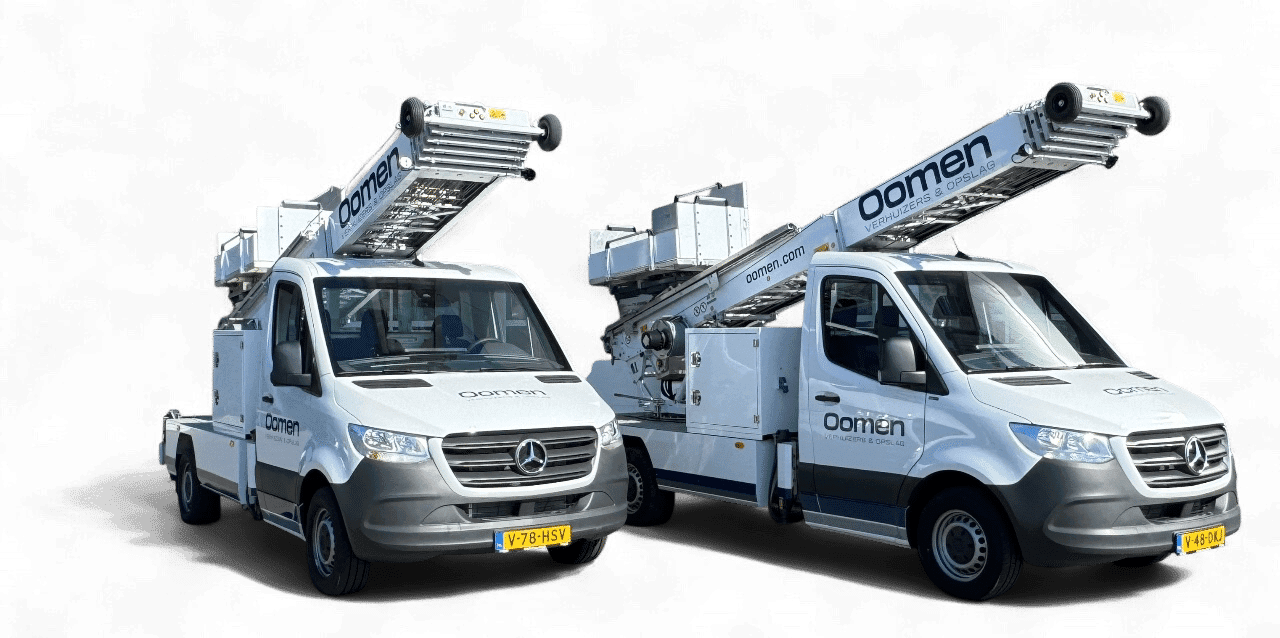
A moving lift offers the ideal solution for this. It allows you to easily move the washing machine up or down through a window or balcony, without having to maneuver it down narrow staircases. This makes the move safer, faster, and much less strenuous. When used in combination with tools such as transport bolts, moving blankets, and straps, the move proceeds smoothly and without damage.
Using a moving lift also saves time and effort. You don’t have to move the machine as often, and the risk of accidents is significantly reduced. Plus, your belongings are insured during the move, so you can move with peace of mind.
Moving a Washing Machine with Storage
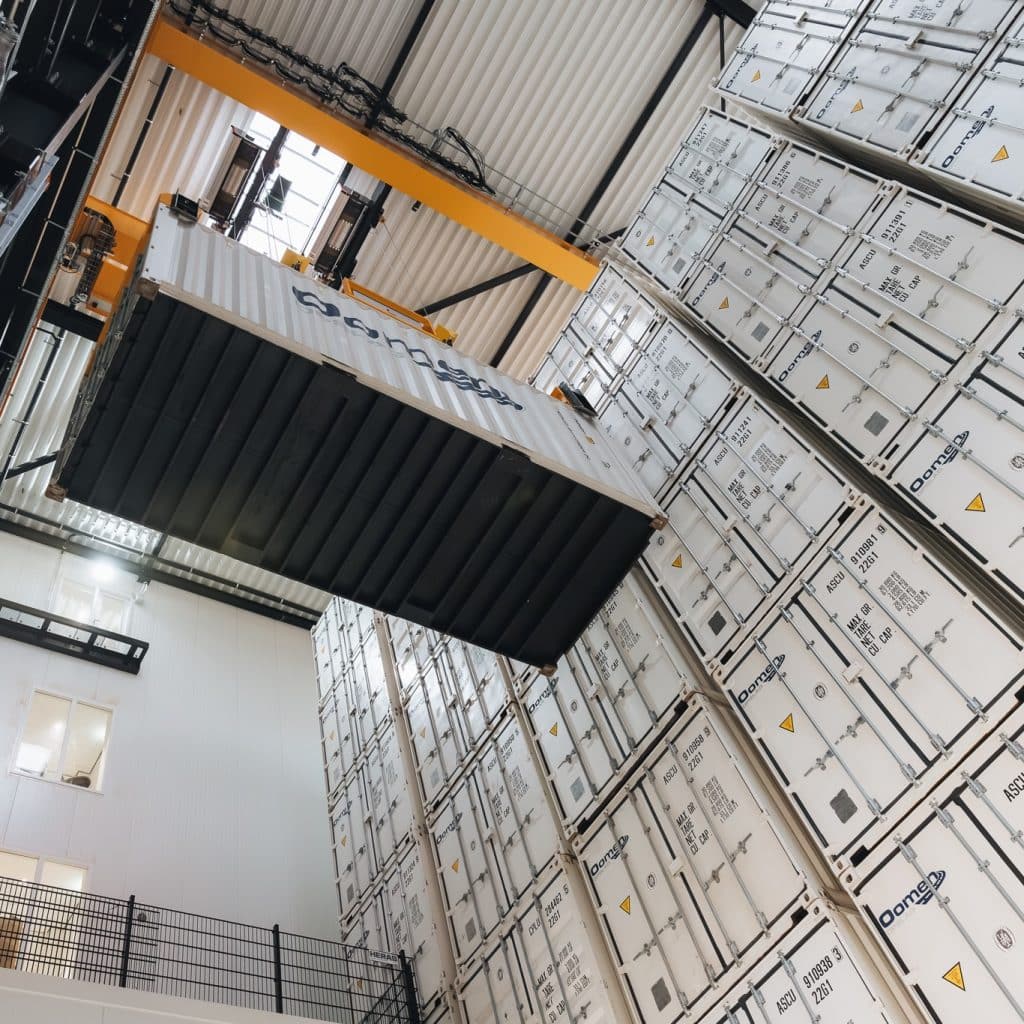
Sometimes a washing machine cannot be moved directly to the new home. For example, when the move-in dates for the old and new homes do not align, or when there is temporarily no space to set up the machine. In such cases, professional storage is a practical solution.
It is important to prepare the washing machine properly for storage: it should be empty, clean, and completely dry to prevent mold or unpleasant odors from developing. A storage area must be dry, clean, and well-ventilated to keep the machine in optimal condition. The same rule applies here: always transport and store it in an upright position. When you reconnect the machine, let it stand upright for a few hours first so that the internal components can settle.
How much does it cost to move a washing machine?
The cost of moving a washing machine depends on several factors:
- Moving on your own vs. professional movers: Moving on your own saves on labor costs, but carries risks, such as damage to the machine, floor, or walls. Professional movers ensure safety and efficiency, but this naturally comes at a cost.
- Distance and location: If the washing machine needs to be moved a long distance, or if there are many stairs or narrow passageways to navigate, this may increase the price.
- Equipment: The use of equipment such as a hand truck, moving blankets, or a moving lift can affect the cost.
For a complete and accurate overview of the costs for your specific situation, we recommend requesting a no-obligation quote from Oomen Verhuizers. That way, you’ll know exactly what to expect and won’t be faced with any surprises.
Let us move your washing machine safely
A washing machine is heavy and fragile, and moving it requires experience and the right approach. By hiring professional movers, you can be sure that the machine will arrive at its new location safely and without damage. Oomen Verhuizers has the right tools, knowledge, and experience to ensure a smooth move. This makes moving not only safer but also a lot less stressful. Feel free to contact us and discover the options.