

Summary: Clearing out a home after a death requires calm, a clear overview, and a step-by-step approach. Surviving family members must deal with emotional decisions, practical planning, and questions about what to do with the household belongings. By first getting a clear overview, identifying possible scenarios, and postponing decisions where necessary, the process remains manageable.
Clearing out a home after a death is a difficult and unfamiliar task for many bereaved family members. In addition to grief and memories, you’ll also face practical questions. Where do you start, what do you need to arrange, and how do you keep it from becoming overwhelming? By tackling the process step by step, you’ll find peace of mind and a clear overview. In this blog, you’ll learn which steps are important and what choices you can make along the way.
What is involved in clearing out a home after a death?
Clearing out a home after a death involves more than just moving belongings. You’ll have to deal with emotions, time pressures, and practical decisions. Often, a home needs to be cleared out in preparation for a sale, handover, or transfer within the family. It helps to first understand everything that’s involved before you begin.
Step 1: Create a sense of calm and clarity before you begin
Take some time to reflect on the situation before you get started. You don’t have to clear out the house right away after a death. By getting a clear picture of the situation first, you can avoid making hasty decisions that you might regret later.
Identify who is involved, what the deadlines are, and which areas are a priority. This will help you create a plan that fits your situation.
Step 2: Decide what to do with the household goods
Clearing out a home after a death means making decisions about personal belongings. You may want to keep some items because of their sentimental value, while others will be given a new purpose or need to be disposed of. It helps to sort through them by category rather than all at once.
You can choose to postpone decisions for a while. You don’t always have to get rid of things right away, as long as they’re kept in one organized place.
Step 3: Clear out the house yourself or get help
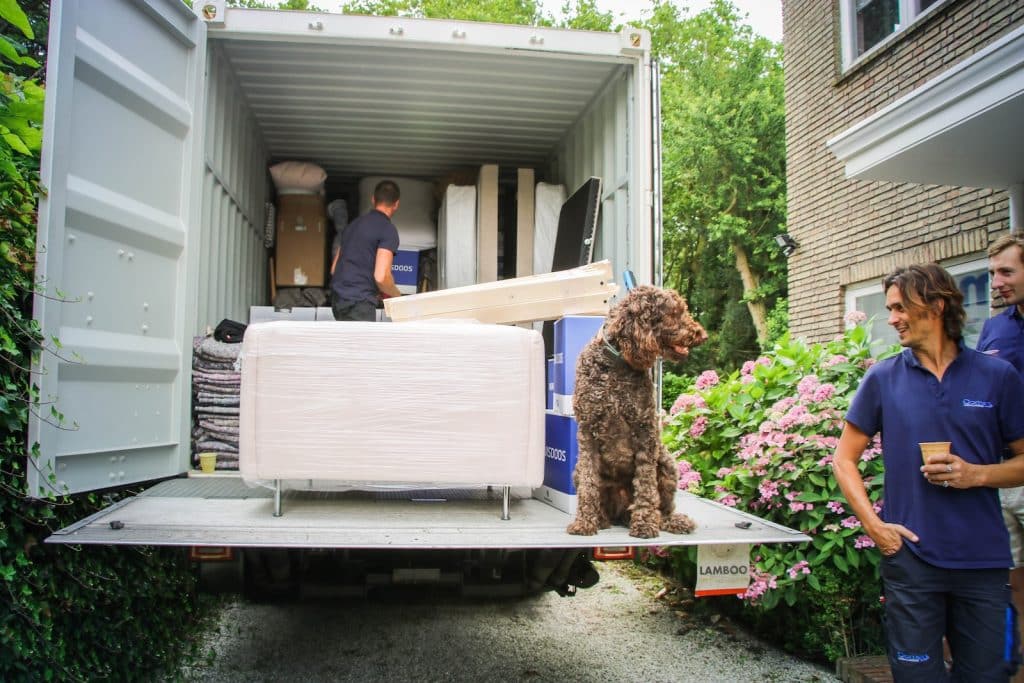
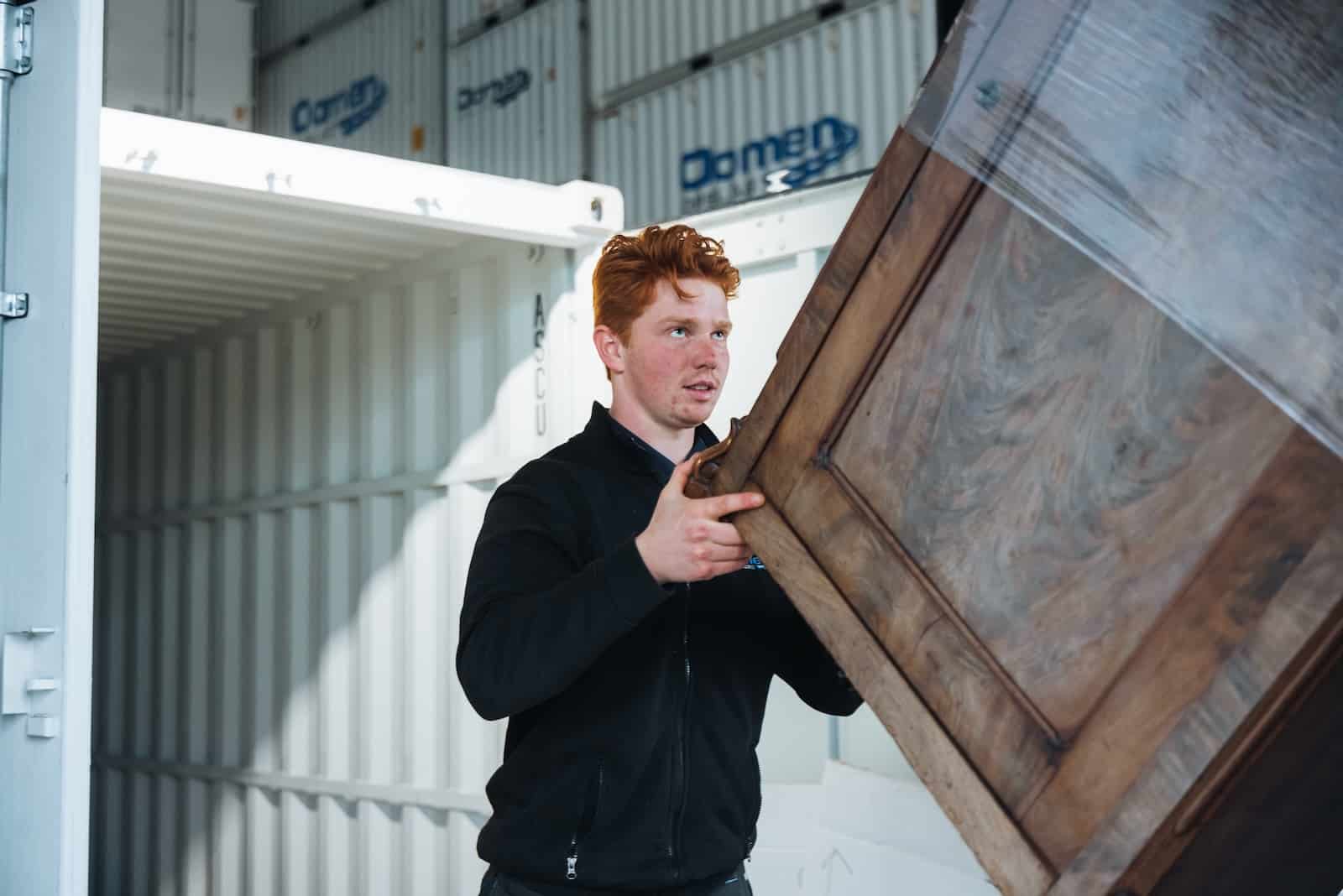
Some bereaved family members choose to clear out the house themselves, while others seek help. What works best depends on time, distance, and emotional capacity. A professional moving company can assist with transporting household goods and the practical aspects of clearing out the home. Combining the move with professional guidance often brings greater peace of mind during a time when there is already so much going on.
Common scenarios when clearing out a home
No two situations are the same. Still, certain scenarios often arise when clearing out a home after a death.
Rental property that needs to be ready quickly
Rental properties often have tight move-in deadlines. This creates time pressure and requires clear planning. In such cases, it’s important to act quickly without losing sight of the big picture.
Home for sale
When it’s time to sell your home, it’s important to hand it over empty and tidy. There’s often enough time to spread out the process, which gives you the opportunity to make careful decisions.
Surviving family members live far away
If family members don’t live nearby, it can be difficult to handle everything on your own. It’s not always possible to visit as often as you’d like. In such cases, on-site assistance can be a solution.
Little time or emotional bandwidth
Sometimes the emotional burden is simply too great to handle everything on your own. In that case, it’s wise to delegate practical tasks. That gives you the space you need to come to terms with your loss.
Temporary storage as an interim solution
If you’re not sure yet what to do with certain items, temporary storage is a logical step. By using storage, your belongings will be kept safe until you have the time to make decisions.
This prevents you from having to sort everything out all at once and makes it possible to still hand over the house empty.
Practical Considerations When Clearing Out a Property
In addition to emotional decisions, there are also practical matters that require attention during the process.
- Planning: Organize your work by room and set realistic daily goals
- Accessibility: Check whether stairs, elevators, and doorways provide sufficient space
- Heavy furniture: Consider using tools such as a moving lift in advance
By taking these points into account in advance, you can avoid unnecessary delays and stress.
What are the costs of clearing out a home after a death?
The costs of clearing out a home after a death vary depending on the situation. They depend on the size of the home, the amount of household goods, and the extent to which you assist with the process. Temporary storage and tools also play a role.
By understanding these factors in advance, you can better determine what suits your situation and budget.
Common Pitfalls and How to Avoid Them
In practice, bereaved family members often run into the same pitfalls.
- Making hasty decisions about items with sentimental value
- Wanting to do everything at once without planning
- Not asking for help when it’s needed
By breaking the process down into steps and accepting support, it remains manageable.
Step by Step Toward Completion
Clearing out a home after a death is no easy task. By taking it step by step, postponing decisions where necessary, and seeking practical help, you can gain a sense of clarity and peace of mind. Oomen can provide support in this process, allowing you to focus on what matters most at that moment.