


Summary: On average , you can move into a newly built home two to six weeks after it’s been handed over, depending on how quickly the walls and floors dry. During this period, construction moisture evaporates, and any issues identified at the time of handover can still be repaired. If you move in too soon, you risk damage such as mold or warped floors. So wait until the humidity is below 60 percent before moving your belongings in.
After months of construction, planning, and waiting, the big day has finally arrived: the handover of your new home. It’s a moment many people eagerly look forward to. But as soon as you have the keys in hand, a new question often arises: when can you actually move in? The answer isn’t the same for everyone. Walls need to dry, floors need to acclimate, and there are often still minor finishing touches to complete. In this blog, you’ll learn exactly what you need to keep in mind so you can move into your new home at the right time—without stress and without causing any damage.
What exactly does the handover of a newly built home mean?
The final inspection is the official moment when the contractor hands over your home to you. During the handover, you’ll inspect the home together for defects, test whether everything works, and note any issues that still need to be fixed. Although the home is technically ready on paper, that doesn’t mean you can move in right away. Often, additional work needs to be done before the home is truly ready for occupancy.
Why not move in right after the property is handed over?
Most people would prefer to start packing the day after moving in, but that’s usually not a good idea. A newly built home still contains a lot of construction moisture: walls, floors, and ceilings need to dry thoroughly first. If you don’t, you run the risk of mold, peeling plaster, or warped floors. In addition, there are often remaining issues that the contractor needs to fix, which can be difficult if you’re already living in the house.
How long should you wait to move after the property is handed over?
On average, it takes between two and six weeks for a newly built home to be sufficiently dry and ready for occupancy. This depends on factors such as the time of year, the type of home, and the building materials used. Homes dry out faster in the summer than in the winter, and a prefabricated home requires less time than a traditionally built home. Once the floors and walls feel thoroughly dry and the humidity drops below 60 percent, it’s safe to move in.
The Impact of Moisture, Stucco, and Flooring
Moisture is the main reason why moving into a new home sometimes has to wait a while. Plasterwork and cement floors contain thousands of liters of water that need time to evaporate. New floors, such as laminate or hardwood, also need to acclimate to the humidity levels in the home. This usually takes three to five days. Installing them too soon can result in gaps, warped floors, or adhesive failure. So it pays to be patient.
What you can do right after the project is completed
Although you may not be able to move just yet, there are plenty of preparations you can make in advance. These include painting, installing lighting, cleaning, and putting up curtain rods. It’s best to wait until the humidity levels are stable before tackling major projects like installing flooring or hanging wallpaper. You can use this time to discuss the schedule with the moving company or to temporarily store some of your belongings.
Checklist: What to Take Care of Between Closing and Moving In
Use this checklist to stay organized between the handover and the actual move:
- Schedule the moving date in consultation with the moving company
- Set up utilities such as gas, water, electricity, and internet
- Check and ventilate daily to help moisture evaporate more quickly
- Measure the humidity with a hygrometer (aim for <60%)
- Wait to install the flooring until the subfloor is completely dry
- Have the contractor fix any issues before you move in
- Set up a temporary storage area for furniture and boxes
- Notify the municipality and relevant agencies of your change of address
Temporary Storage: A Smart Interim Solution
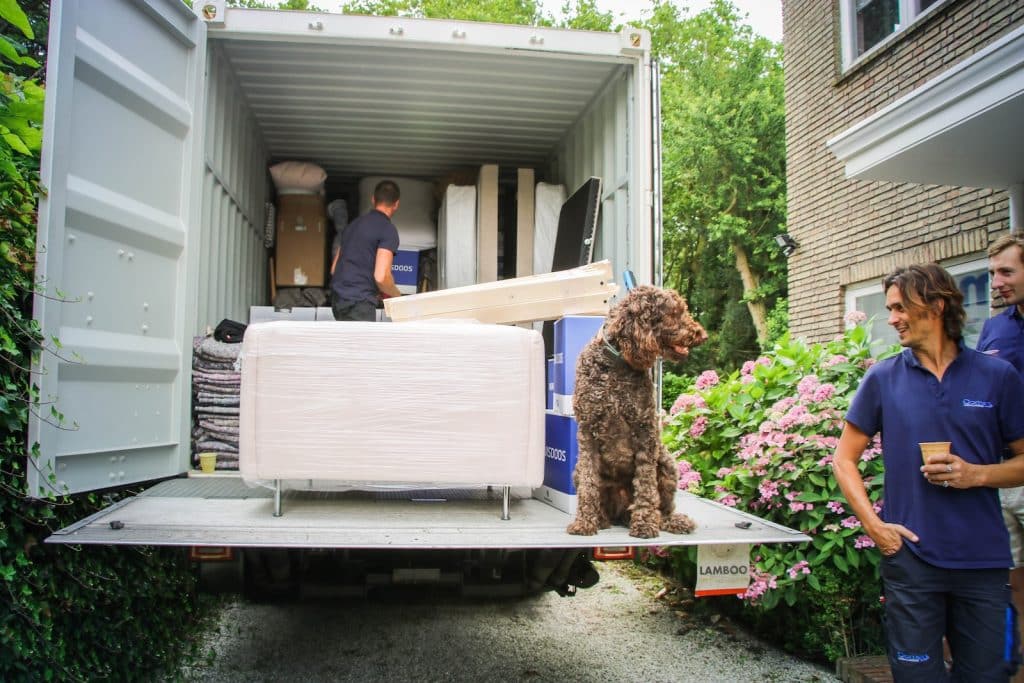
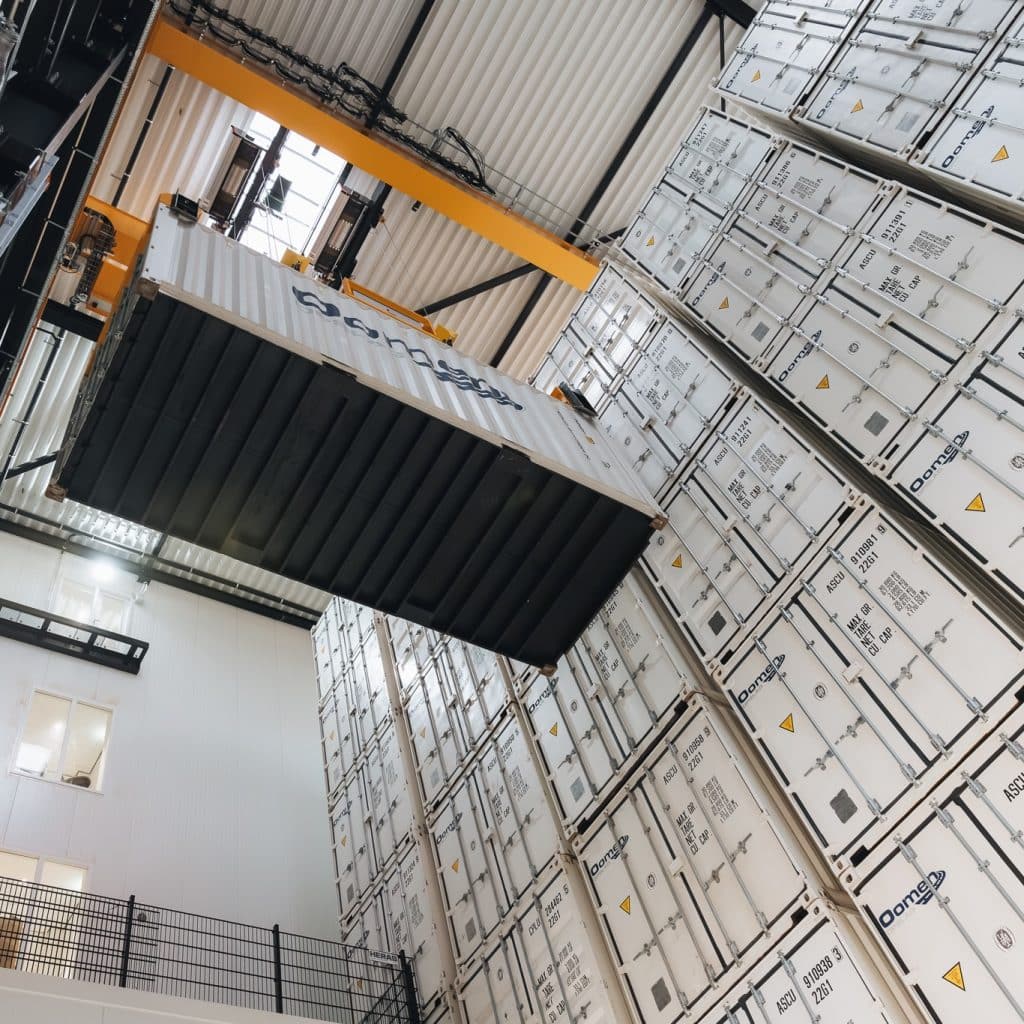
Do you still need to wait until your new home is dry enough, but want to clear out your current home already? Then temporary storage is a convenient solution. Oomen offers the option to move with storage or use self-storage. Your belongings will be stored safely and can be delivered immediately once your new home is ready. This way, you won’t have to move everything twice, and you can keep your schedule on track.
When can you actually move into a new construction right away?
There are situations in which it is possible to move in immediately after completion. For example, in homes built using dry construction systems or prefabricated structures, where very little construction moisture is released. Also, if the contractor has already preheated and ventilated the home, you can often move in sooner. If in doubt, have a moisture test performed. That way, you can be sure you’re not moving in too soon.
Common Mistakes When Moving into a Newly Built Home
When it comes to a newly built home, rushing things rarely pays off. Here are the pitfalls you’re better off avoiding:
- Laying flooring or hanging wallpaper while the walls are still damp
- Insufficient ventilation, which leads to mold growth
- Do not create a schedule for acceptance points
- Placing furniture on a damp floor too soon
- Don’t check for moisture before you move
By avoiding these mistakes, you’ll save yourself a lot of hassle and money.
Professional Moving Services for Your New Home
Moving into a new home requires careful planning. A moving company like Oomen can help you create that schedule, carefully transport your belongings, and arrange for storage. That way, you can be sure you won’t move too early and that everything will go smoothly. Discover the options for moving with storage or self-storage.
Ready for Your New Home
Moving into a new home is a special moment. The smell of fresh plaster, new floors, and an empty house full of possibilities make for a fresh start. With good preparation, a little patience, and the help of Oomen Verhuizers, you can move into your new home stress-free. That way, move-in day isn’t the end of construction, but the beginning of a new chapter.
Frequently Asked Questions About Moving into a New Home
1. How do I know if my new home is dry enough for me to move in?
Use a hygrometer to check the humidity level in your home. If it’s below 60 percent, you can safely install flooring and arrange furniture.
2. Can I move my furniture already, even though the floors still need to dry?
This is not recommended. Do not place furniture on the floor until it is completely dry to prevent mold and warping.
3. What should I do if the contractor still needs to fix some issues before final acceptance?
Always have this work done before you move. That way, you’ll avoid having technicians or painters have to work around your new interior.
4. How can I speed up the drying process?
Ventilate continuously, leave windows slightly open, and use dehumidifiers if necessary. Don’t set the heat too high, as this can cause the plaster to crack.
5. What if my old house has already been sold or I’ve given notice to move out, but the new house isn’t ready yet?
Take advantage of temporary storage through Oomen Verhuizers. That way, you can move with your belongings in storage and wait until your new home is ready to move into.